
Electric Car Range In 2026: How Far Can EVs Travel?

Image source: Shutterstock
Electric vehicle technology has come a long way in a short time. Just a decade ago, most EVs struggled to reach 100 real-world miles. Now, in 2026, the average electric car comfortably exceeds 300 miles, and premium models can push well beyond 400 miles. With smarter battery chemistry, better aerodynamics, efficient motors, and dramatically improved charging infrastructure, the question many drivers once asked - “how far can an electric car go?” - is becoming less relevant every year.
That being said, range still matters. Whether you’re choosing your first EV or upgrading to something longer-legged, you’ll want to know how official WLTP numbers compare to real-world results, how weather affects performance, and what you can do to squeeze the most miles from every charge.
In this guide, we’ll cover how WTLP works, seasonal differences in range, and more! Let’s explore the real story behind electric car range in 2026 and why range anxiety is quickly becoming a thing of the past.
Understanding Electric Car Range
What Does WLTP Measure?
If you’ve browsed electric cars online, you’ve probably seen WLTP figures - the Worldwide Harmonised Light Vehicle Test Procedure.
WLTP is the standard range test used across the UK and Europe. It's designed to offer a realistic comparison between vehicles, combining:
Urban stop–start
Rural A-road speeds
Motorway driving
Different acceleration patterns
Controlled temperature conditions
WLTP is useful for comparing models like-for-like, but it isn’t a promise of what you’ll see every day. This is because WLTP runs in a lab, where conditions are perfectly controlled.
What Real-World Range Can I Expect?
In mixed everyday driving, most cars deliver:
10–20% less than WLTP in mild conditions
Up to 30% less in winter, especially with motorway use
Better than WLTP in city driving if the model is extremely efficient (the Hyundai Ioniq 6 is a good example here)
So if an EV is rated at 350 miles WLTP, you might see:
300–320 miles in spring/summer
230–270 miles in winter motorway driving
Up to 360 miles in city-heavy trips with strong regenerative braking
Why Does Cold Weather Affect The Range Of My EV?
Cold weather reduces range in three ways:
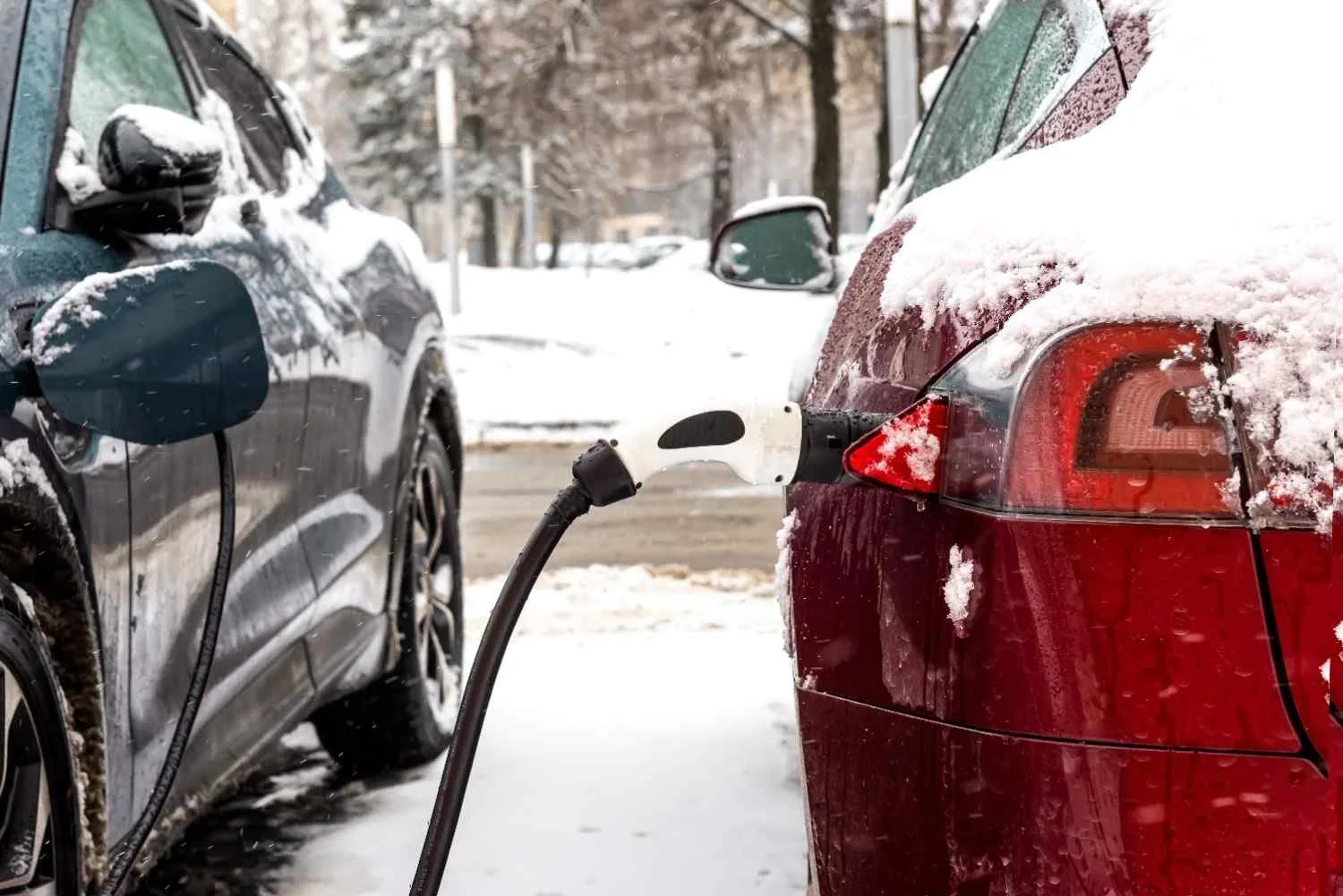
Batteries operate less efficiently in low temperatures
Heating the cabin uses extra energy
Wet roads and winter winds increase resistance
Image source: Shutterstock
That’s why pre-conditioning your car (while plugged in) can make such a difference… more on that later!
City vs Motorway Driving: How Do These Driving Styles Affect Range?
Electric cars thrive in stop–start conditions. While a petrol or diesel car burns more fuel in traffic, an EV uses less energy thanks to:
Low-speed efficiency
Minimal idling losses
On motorways, however, aerodynamic drag grows rapidly above 60mph, which has a large effect on consumption. That’s why you’ll often see motorway range drop faster than WLTP suggests.
Top 20 EVs by WLTP Range (2026 Update)
| Rank | Model | WLTP Range (miles) |
|---|---|---|
| 1 | Lucid Air Grand Touring | £516 |
| 2 | Tesla Model S Long Range | £405 |
| 3 | Mercedes EQS 450+ | £398 |
| 4 | BMW i7 xDrive60 | £387 |
| 5 | Hyundai Ioniq 6 Long Range | £382 |
| 6 | Tesla Model 3 Long Range (2024–2026 refresh) | 390 |
| 7 | Polestar 3 Long Range | 379 |
| 8 | BMW i5 eDrive40 | 362 |
| 9 | Kia EV6 Long Range RWD | 328 |
| 10 | Volkswagen ID.7 Pro | 382 |
| 11 | Hyundai Ioniq 5 Long Range | 315 |
| 12 | Tesla Model Y Long Range | 331 |
| 13 | Ford Explorer Extended Range | 335 |
| 14 | Nissan Ariya 87kWh | 329 |
| 15 | BYD Seal Long Range | 354 |
| 16 | Volvo EX30 Extended Range | 295 |
| 17 | MG4 Long Range | 323 |
| 18 | Renault Megane E-Tech 60kWh | 292 |
| 19 | BMW iX xDrive50 | 350 |
| 20 | Kia EV9 RWD Long Range | 349 |
What Affects Electric Car Range? (The Science Behind It)
Your EV’s range isn’t random. It’s shaped by three categories of influence:
Environmental
Driving style
Vehicle design
Let’s break them down.
Environmental Factors
Temperature
Battery chemistry is sensitive to temperature. At low temperatures:
Chemical reactions slow down
Internal resistance rises
Less usable energy is available
That’s why winter range reductions of 20–30% are normal, especially on motorways. Heat pumps, now fitted to most new models, help reduce this impact dramatically.
Weather Conditions
Wind is one of the biggest hidden energy drains. A strong headwind can:
Increase consumption by 10–20%
Reduce the real-world motorway range significantly
Rain also increases rolling resistance, meaning more energy is needed to maintain the same speed.
Terrain
Climbing hills uses more energy; regenerative braking recovers some of it on the way down, but not all. Mountainous areas will naturally reduce range compared to flat urban driving.
Driving Factors
Speed
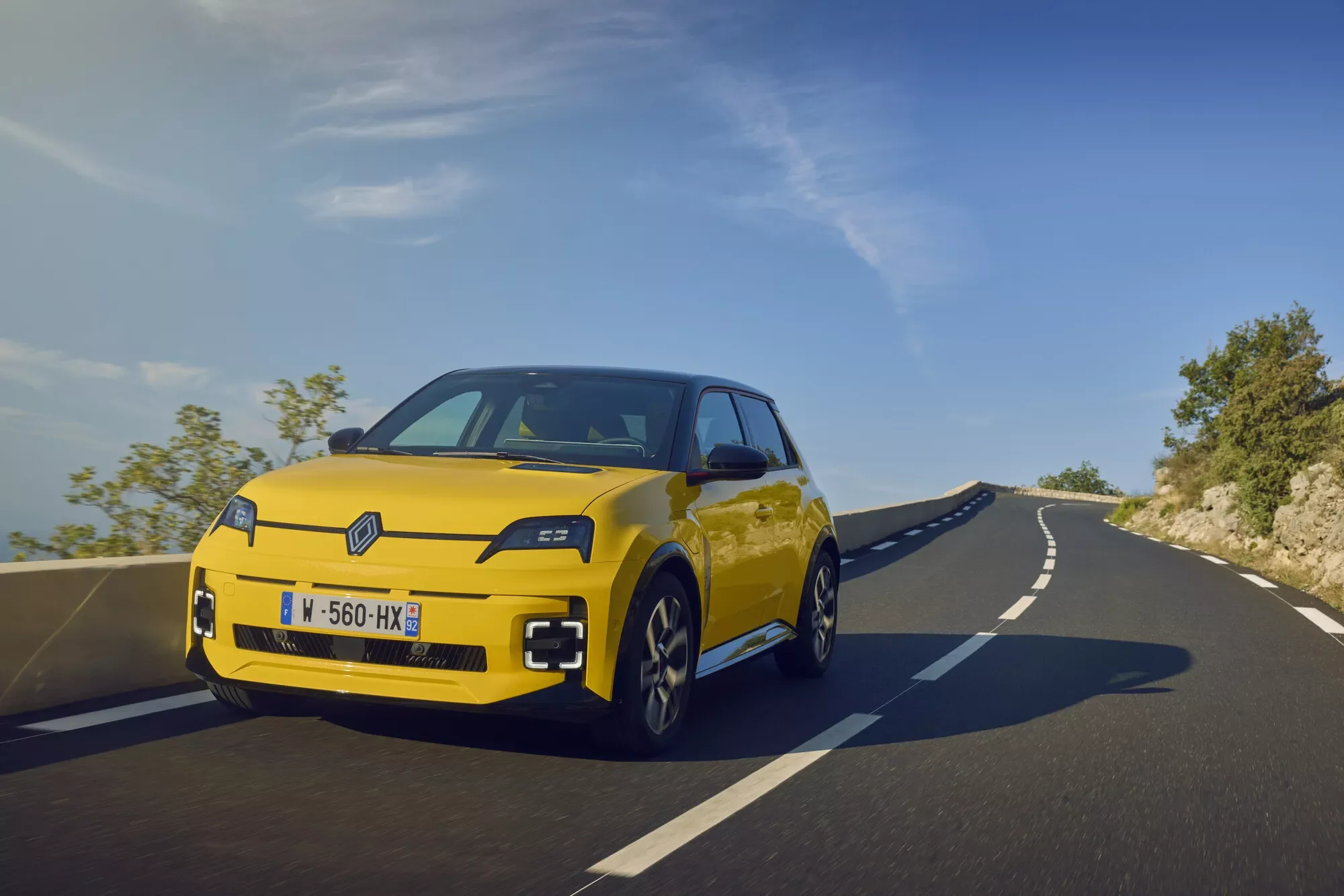
Above around 60mph, aerodynamic drag increases exponentially. That’s why:
Driving at 70mph may reduce range 15–25% vs. cruising at 60mph
EVs with sleek aerodynamics (Ioniq 6, Mercedes EQS) perform much better on motorways
Image source: Renault News
Acceleration Style
Gentle acceleration preserves momentum and keeps the car in its efficiency “sweet spot”. Hard acceleration wastes stored energy and forces the motor to draw high currents.
Regenerative Braking
This is your secret weapon for range. Regenerative braking:
Can recapture up to 70% of energy lost in slowing down
Works best in urban stop-start settings
Helps extend real-world city range by 10–15%
Climate Control
Using heating or AC drains energy. Modern heat pumps minimise this, but you’ll still see:
+2–3kWh usage per hour for heating
+1–2kWh usage per hour for cooling
Preconditioning while plugged in solves the winter heating problem.
Vehicle Factors
Battery Size (kWh)
A higher-capacity battery gives more range - simple. But efficiency still matters. A 77kWh car that’s highly aerodynamic can outperform a 90kWh car shaped like a brick.
Efficiency (miles per kWh)
This is the true measure of how far your EV goes. The most efficient EVs achieve:
4–5 miles/kWh in optimal summer driving
3–3.8 miles/kWh in winter mixed driving
Weight
Heavier cars use more energy to accelerate. This is why big SUVs show lower miles per kWh than smaller hatchbacks.
Aerodynamics
Nothing affects motorway range more. Streamlined cars with drag coefficients below 0.20 can maintain exceptional efficiency even at higher speeds.
Tyre Pressure & Rolling Resistance
Under-inflated tyres can sap 5–10% of range. Checking pressure monthly is an easy win.
How to Maximise Your EV Range (Simple Daily Wins)
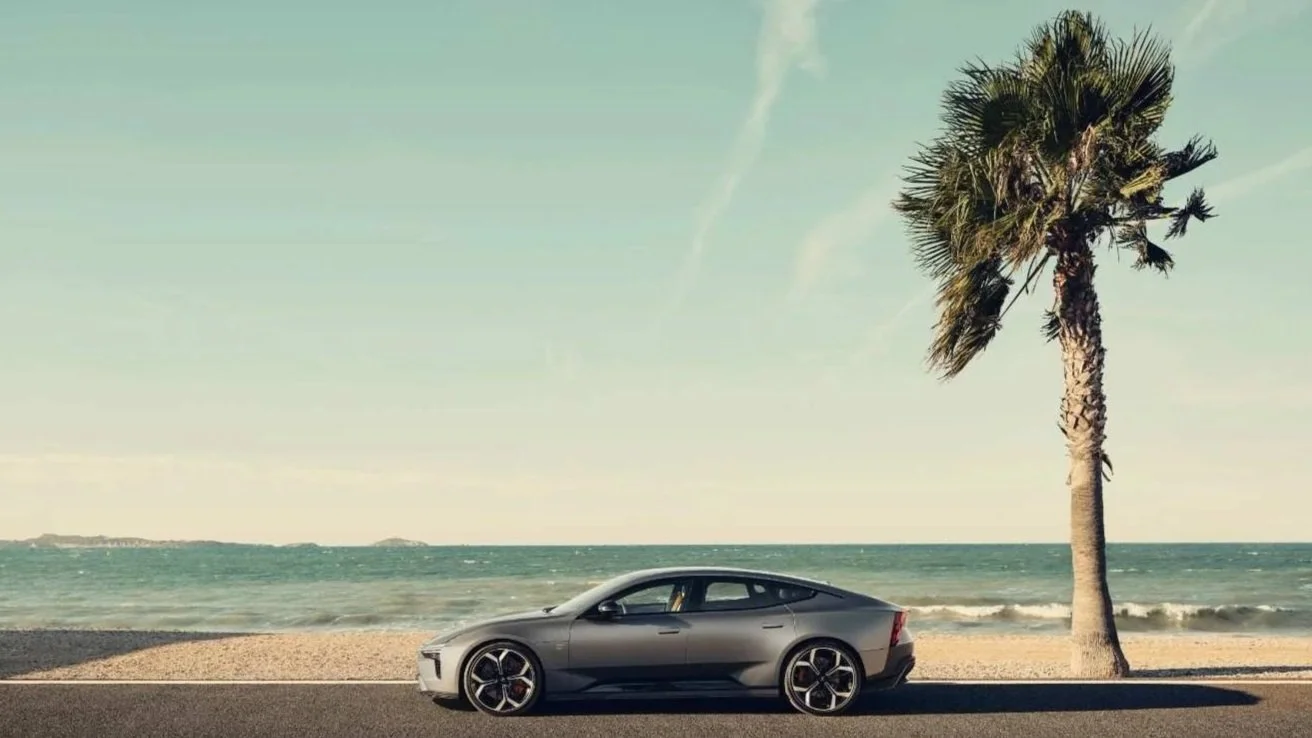
Image source: Polestar Media Centre
Range anxiety often fades once you learn how simple it is to extend your range by 15–25% with everyday habits.
Below are the most effective techniques for reducing your EV range.
Precondition Your Car While It’s Plugged In
This warms (or cools) the cabin and battery before you set off - using grid power instead of battery power.
Benefits include:
More available energy
Faster charging stops
Much better winter efficiency
Most EVs let you schedule this through the car or smartphone app.
Use Eco Modes
Eco modes adjust:
Throttle response
Climate control
Power output
Regenerative braking
They’re incredibly effective in winter or on long motorway drives.
Drive Smoothly
The easiest way to gain extra miles?
Avoid harsh acceleration
Maintain steady speeds
Use adaptive cruise control where possible
Look ahead and lift off early to use regeneration
Smooth driving alone can extend the range 15–25%.
Maintain Your Tyres
Check pressures monthly, and keep them at the recommended level. Higher-efficiency tyres (EV-specific compounds) can add a noticeable difference in real-world range.
Plan Efficient Routes
Apps like A Better Routeplanner (ABRP), Zap-Map, and PlugShare can:
Optimise your charging stops
Avoid inefficient high-speed motorways
Suggest chargers when your battery is warm
Reduce unnecessary detours
Reduce Unnecessary Weight
Roof racks, heavy items in the boot and large wheels all reduce efficiency. The lighter and smoother your EV, the farther it goes.
Do You Really Need a Long-Range EV?
It’s a fair question - especially as long-range models often cost more. Let’s break it down.
Common UK Driving Patterns
Most drivers travel far less than they think. The average UK daily mileage is:
20–30 miles per day
Under 40 miles for 95% of journeys
Even a small EV with 200 real-world miles comfortably covers this for multiple days without charging.
When You Might Want More Range

Longer-range EVs make sense if you:
Regularly drive 150+ miles in a single day
Make frequent motorway or cross-country trips
Carry heavy loads or tow regularly
Live in very cold climates or hilly regions
Image source: Mercedes Media
If you tick any of these boxes, a 300-400-mile EV offers peace of mind.
Charging Infrastructure Reality in 2026
This is where the game has truly changed. As of December 2025, the UK now has over 86,000 public chargers, with numbers rising every month.
This includes:
Tens of thousands of fast chargers
Rapid and ultra-rapid chargers on all major motorways
Much better coverage in rural and coastal areas
Most drivers are now within 25 miles of a rapid charger at all times.
Home Charging Changes Everything
If you have a home charger, your car starts every morning with a full battery - something petrol and diesel cars cannot rival. Overnight charging makes range almost irrelevant for daily life.
Cost vs Range Trade-Off
Ultra-long-range models cost more because they use bigger batteries. But remember:
Bigger batteries = higher purchase price
Higher weight = potentially lower efficiency
Higher insurance costs
More raw materials are used
For many drivers, a mid-range EV is more cost-effective than chasing the highest possible range.
EV Range by Vehicle Category (Quick 2026 Guide)
Here’s what you can realistically expect from different types of EVs.
Small EVs (Hatchbacks & City Cars)
Real-world range: 200–300 miles
The compact EV market is becoming smarter, more efficient, and more affordable - especially if you're using salary sacrifice!

Examples include:
Best for: urban and suburban driving, shorter commutes, first-time EV owners.
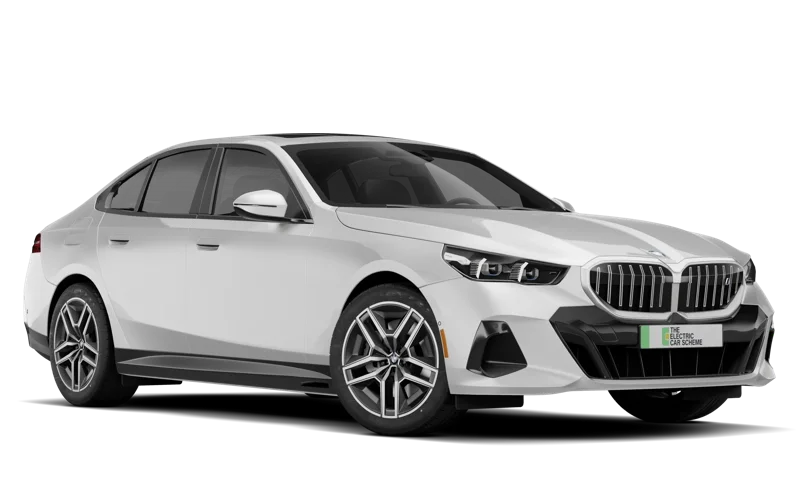
Mid-Size Cars & Saloons
Real-world range: 250–350 miles
These mid-sized cars and saloons are the most efficient models on the road and often outperform their WLTP numbers in city driving.
SUVs (Compact & Full-Size)
Real-world range: 250-400 miles
SUVs are becoming increasingly popular. This segment includes compact crossovers perfect for urban driving to spacious seven-seater family vehicles.
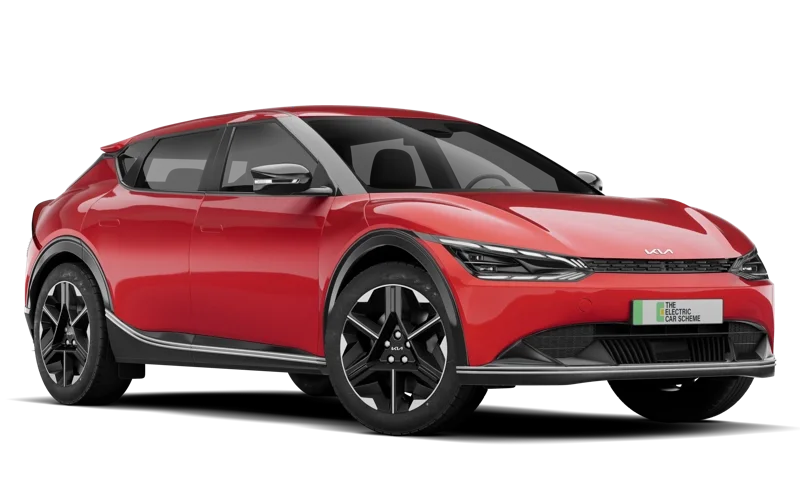
SUVs are less aerodynamic, but increasing battery sizes helps offset this!
Luxury & Flagship EVs
Real-world range: 350–500 miles
This segment targets the household names and more premium electric cars.
Examples Include:
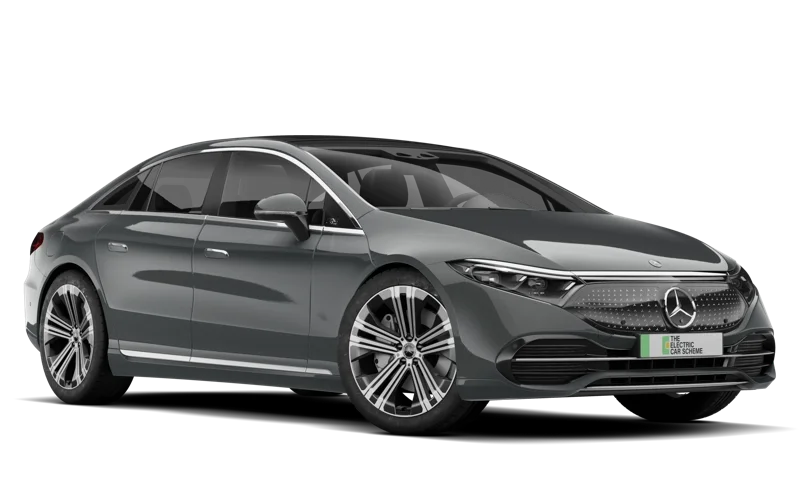
Examples Include:
Lucid Air, as featured in our list of most efficient EVs!
Whatever it is, the way you tell your story online can make all the difference.
These models offer ultra-long-range options thanks to large batteries and high efficiency at speed.
Battery Degradation: How Does Your Range Change Over Time?
Many people worry that their battery will “wear out” quickly, but modern EV batteries are far more durable than early models.
Typical Degradation Rates
Across most modern EVs:
Expect 2–3% capacity loss per year
Around 10% loss after 4–5 years
Around 20% loss after 8–10 years
Real-world examples frequently show less.
Why Modern EV Batteries Last Longer
Today’s EVs include:
Advanced thermal management (keeps batteries at optimal temperature)
Smarter battery management systems
Gentler rapid charging profiles
Improved lithium-ion chemistry
Newer LFP packs are particularly robust, often achieving minimal degradation even after heavy use.
Warranties
Most manufacturers now offer:
8 years / 100,000–150,000 miles
Some brands go further with enhanced guarantees on specific chemistries.
The New Reality of EV Range (2026)
Range anxiety is fading as battery technology improves and people realise they no longer need to worry!
In 2026:
The average EV exceeds 300 miles
Smart route planners simplify long trips
Home charging keeps your battery full every morning
Efficient designs reduce energy use year-round
Electric cars now meet the daily needs of nearly every UK driver, with long-range options for those who need them.
The real question isn’t “Can an electric car go far enough?” Instead, it’s “Which electric car best fits your lifestyle?”
Range: Frequently Asked Questions (Updated for 2026)
How far can an electric car go on a single charge in 2026?
Most EVs now travel 250–350 real-world miles, while premium models exceed 400 miles.
How much less range do you get in winter?
Typically 20–30% less on motorways. City driving loses less because regenerative braking remains effective.
How many EV chargers are there in the UK?
As of late 2025, there are over 86,000 public chargers, with thousands more being added monthly.
Does fast charging damage the battery?
Modern thermal management protects batteries. Occasional rapid charging is perfectly fine; frequent use may slightly increase long-term degradation.
How long do EV batteries last?
Most last 12–15 years with typical use, and many exceed 200,000 miles before noticeable capacity drop.
Will BiK rates change in 2026?
Yes, from April 2026, the Benefit-in-Kind tax for EVs will be 4%. This will then increase incrementally, reaching 5% by 2027. In 2027, the BiK rates will then increase by 2% year-on-year - and cap out at 9%.
Are you an employer?
BOOK A DEMOAre you an employee?
SEE AVAILABLE CARSECS GUIDES AND ADVICE
Ready to Go Electric? Your Guides and Tools to a Smooth Switch
-
 How the Scheme Works
Find out how salary sacrifice can work for you or your business.
-
 The Charge Scheme
Save 20-50% on all charging costs through salary sacrifice - at home, the office, or in public..
-
 Complete Employer Protection
All employers and drivers are protected from day 1.
-
 Used Electric Cars
Discover the most affordable way to drive electric. Cars delivered in 14 days.
Last updated: 10.12.25
Our pricing is based on data collected from The Electric Car Scheme quote tool. All final pricing is inclusive of VAT. All prices above are based on the following lease terms; 10,000 miles pa, 36 months, and are inclusive of Maintenance and Breakdown Cover. The Electric Car Scheme's terms and conditions apply. All deals are subject to credit approval and availability. All deals are subject to excess mileage and damage charges. Prices are calculated based on the following tax saving assumptions; England & Wales, 40% tax rate. The above prices were calculated using a flat payment profile. The Electric Car Scheme Limited provides services for the administration of your salary sacrifice employee benefits. The Electric Car Scheme Holdings Limited is a member of the BVRLA (10608), is authorised and regulated by the FCA under FRN 968270, is an Appointed Representative of Marshall Management Services Ltd under FRN 667174, and is a credit broker and not a lender or insurance provider.
Copyright and Image Usage: All images used on this website are either licensed for commercial use or used with express permission from the copyright holders, in compliance with UK and EU copyright law. We are committed to respecting intellectual property rights and maintaining full compliance with applicable regulations. If you have any questions or concerns regarding image usage or copyright matters, please contact us at marketing@electriccarscheme.com