
The Ultimate Off-Grid Freedom: Power Your EV Anywhere with Solar, Wind & DIY Solutions
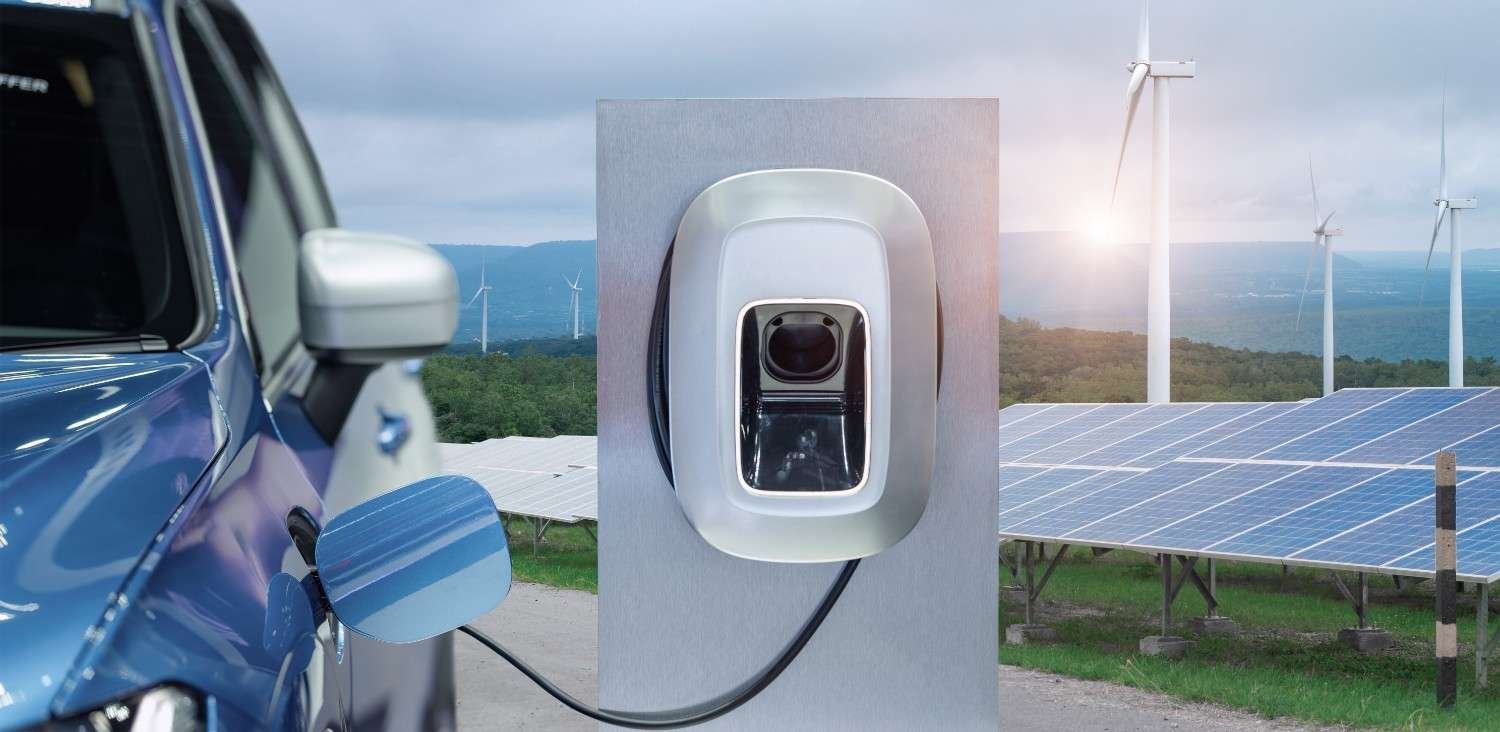
Electric vehicles make up approximately 4% of all vehicles registered on UK roads. For reference, there are around 34 million cars on UK roads, of which 1.3 million are EVs. At the beginning of 2025, there were 37,011 charging locations dotted across the country—this includes everything from 3kW to 150kW chargers.
The growing popularity of electric vehicles brings exciting opportunities for sustainable transportation, but it also presents unique challenges when traditional power sources aren't available. Off-grid charging solutions have become increasingly vital for EV owners facing power outages, those exploring remote locations beyond the reach of charging networks, and individuals committed to maximising their sustainability goals through renewable energy.
For those considering an electric vehicle, understanding EV charging basics is essential, but off-grid solutions take this knowledge further by providing complete energy independence. Through electric car salary sacrifice schemes, UK employees can save 20-50% on their EV, making the switch to sustainable transport—and sustainable charging—more affordable than ever.
As extreme weather events become more common and adventurous drivers push the boundaries of where EVs can travel, understanding your off-grid charging options isn't just convenient—it's becoming essential for the modern electric vehicle owner.
Why Do People Need Off-Grid EV Charging?
You're probably reading this article to answer this question, so why do people need off-grid EV charging? Let's have a look!
Electric vehicle owners are increasingly looking beyond traditional grid connections for their charging needs, and for good reason. Off-grid charging solutions offer multiple benefits that address practical concerns and personal values.
Independence From Fluctuations and Outages
This is perhaps the most immediate advantage. When severe weather strikes or infrastructure fails, grid-tied charging stations become useless. Off-grid systems allow you to power your vehicle regardless of what's happening with the local utility grid, providing peace of mind and continuous mobility.
For those participating in electric car salary sacrifice programmes, off-grid charging ensures your vehicle remains operational even during power disruptions, protecting your investment and maintaining your mobility when it matters most.
Environmentally Friendly
Environmentally friendly charging options represent another compelling reason to go off-grid. By harnessing renewable energy sources like solar or wind power, EV owners can achieve zero-emission transportation. This creates a complete eco-friendly cycle where the vehicle and its energy source minimise environmental impact, which is brilliant!

Cost-Saving Potential Through Sustainable Charging
Now, this one shouldn't be overlooked. Whilst the initial investment when going off-grid can be significant, many systems pay for themselves through eliminated utility bills and potential incentives. Solar-powered charging systems, for instance, can provide "free" energy for decades after the initial setup costs.
When combined with The Electric Car Scheme's salary sacrifice programme, these savings compound significantly. Employees save 20-50% on their electric vehicle through pre-tax salary deductions (benefiting from the current 3% Benefit-in-Kind rate), whilst also reducing charging costs through solar generation. Learn more about how much it costs to fully charge an electric car at home to understand your potential savings.
Flexibility for Remote Locations
Flexibility for remote locations opens endless possibilities for EV owners. Whether you're camping in a national park, visiting a rural cabin, or travelling through areas with limited infrastructure, off-grid charging means you're not tethered to established charging networks. This expanded range can transform how and where you use your electric vehicle.
Emergency Preparedness
Off-grid charging adds another layer of value to this solution. In crises, your EV's battery can become a valuable power source for essential devices and tools. With bidirectional charging capabilities, some systems even allow your vehicle to power your home during outages, turning your car into a mobile energy reserve.
Maximise Your Savings: Combine off-grid charging with salary sacrifice to save 20-50% on your EV.
Calculate your potential savings →
What Is the Best Off-Grid EV Charging Solution?
For most UK homeowners: A 7kW solar panel system with 10-15kWh battery storage provides the best balance of cost, performance, and reliability. This setup costs £8,500-£10,000 and can save £700+ annually versus public charging.
Key requirements:
20-30m² of south-facing roof space
10-15kWh battery storage minimum
Smart inverter system
Professional MCS-certified installation
Best for:
Homes with good solar exposure
Daily mileage under 40 miles
Overnight charging routine
Long-term cost savings focus
Alternative solutions: Wind turbines suit rural locations with consistent wind, portable solar works for occasional off-grid use, and hybrid systems provide year-round reliability in variable UK weather.
Salary sacrifice tip: Through The Electric Car Scheme, employees can save 20-50% on their EV and include home charger installation in their package, maximising overall savings.
Solar Power: The Leading Off-Grid EV Charging Solution
Solar power stands as the cornerstone of sustainable off-grid EV charging, using energy from the sun to power your journeys. This renewable solution offers independence and environmental benefits whilst providing reliable charging capabilities almost anywhere the sun shines. Even in the UK, where sunny days might seem limited, modern solar technology uses daylight (not just direct sunlight) so fear not!
How Do Home Solar Panels Charge Electric Cars?
A complete solar EV charging system consists of several key components working together to convert sunlight into miles of range for your vehicle.
What Components Do You Need for Solar EV Charging?
Solar panels: Capture sunlight and convert it to electricity, with most home setups requiring between 8-12 panels depending on their efficiency rating.
Inverter: Transforms the DC electricity from your panels into AC power your car can use
Charge controller: Manages the flow of electricity to prevent overcharging and system damage
Battery storage: Essential for true off-grid capability, allowing you to store excess energy for night-time or cloudy day charging
When selecting home EV chargers, compatibility with your solar system is crucial. Chargers like Zappi by Myenergi and Hypervolt Home 3 Pro are both recommended for their excellent solar integration capabilities.

What Do I Need to Install Solar EV Charging at Home?
Installation should account for both physical space and optimal positioning:
Most EV-capable solar systems require 20-30 square metres of unshaded roof space with southern exposure (in the northern hemisphere)
Ground-mounted systems offer alternatives for homes with unsuitable roofs but need appropriate space. This is a great alternative because you don't have to worry about planning permission.
The weight of panels and the potential need for roof reinforcement should be evaluated by a professional installer.
Permit requirements and electrical code compliance must be addressed before installation with the Microgeneration Certification Scheme (MCS).
Understanding EV charger installation costs helps set realistic budget expectations for your complete off-grid system.
How Much Does Solar EV Charging Cost in the UK?
A complete solar EV charging system can cost anywhere between £8,500 to £10,000. This cost includes the solar panels, storage, charger and installation costs. Important to note that this is before any incentives.
By combining an EV charger with solar energy, you can save £700+ per year compared to charging publicly, which is incredible!
According to SunSave, this setup can power your car with 82% of solar energy throughout the year. You can even use the excess energy in your home.
It is important to note that EV charging is considerably cheaper than filling up your car with fuel. Use our EV savings calculator to see how much you could save on running costs with an EV compared to a petrol or diesel alternative.
ROI Analysis for Salary Sacrifice Drivers:
When you combine solar charging with electric car salary sacrifice, the financial benefits multiply. Employees save 20-50% on their vehicle costs through pre-tax deductions, eliminate public charging expenses through solar generation, and benefit from the current 3% Benefit-in-Kind rate. This combination typically delivers payback within 5-7 years whilst providing decades of nearly free transportation.
Recommended Products and Setups
If you're interested in charging your electric car with solar power, several systems stand out for UK installations:
Zappi by Myenergi: Leading UK-manufactured smart charger with excellent solar diversion technology
Hypervolt Home 3 Pro: Advanced features including solar boosting and load balancing
Ohme Home Pro: Intelligent scheduling optimised for solar generation patterns
It is extremely important to do your research and compare providers before committing! Consider reading our guide on fast charging at home to understand your options.
Can You Charge an EV with Portable Solar Panels?
If you find yourself somewhere where electricity isn't readily available, portable solar EV charging solutions can come in handy! Here's what you need to know…
Portable Solar Panel Specifications
When selecting portable solar panels for EV charging, specific technical requirements must be met:
Minimum wattage: Most effective portable systems start at 400W, with 800-1200W providing more practical charging capabilities
Voltage compatibility: Look for systems that output at least 220-240V AC through an inverter
Folding efficiency: The best portable panels offer at least 20-23% energy conversion efficiency
Durability features: Weather-resistant construction (IP65 rating or higher) ensures reliability in various conditions
Weight considerations: Complete systems typically weigh 15-30kg, with the most travel-friendly options under 20kg
What Are the Power Station Requirements for Portable EV Charging?
Portable solar setups require appropriate power stations to store and deliver energy:
Battery capacity: Minimum 1.5kWh capacity, with 3-5kWh recommended for meaningful EV charging
Output rating: Must support at least 2000W continuous output with 3000W+ surge capacity
Charging ports: Should include Type 2 connector capability or standard 3-pin with appropriate adaptors
BMS (Battery Management System): Essential for preventing damage and ensuring safety
Expandability: Consider systems that allow additional battery connections for increased capacity
Setup and Operation Guidelines
Using portable solar EV charging systems effectively requires proper procedure:
Position panels in direct sunlight, angling toward the sun (30-45 degrees is typically optimal)
Connect panels to the power station using the manufacturer's cables and connectors
Allow the power station to charge fully before connecting to your vehicle
Use appropriate adaptors to connect the power station to your EV's charging port
Monitor the system during charging to ensure consistent power flow
Store components in protective cases when not in use to maximise their lifespan
Practical Limitations and Charging Times
Understanding real-world performance helps set appropriate expectations:
A 1000W solar array in optimal conditions might generate 5-6kWh per day in summer (less in winter and cloudy conditions)
This translates to approximately 15-25 miles of added range per day for most EVs
Complete charging of an EV battery is rarely practical with portable systems
Charging typically requires 2-3 days of good sunlight for meaningful range extension
Weather dependency means having backup charging plans is essential
For small electric cars like the Mini Electric or Fiat 500e, portable systems can provide more meaningful top-ups due to their smaller battery capacities.
Top Portable Solar Chargers for EVs
Several standout products offer reliable performance for on-the-go EV charging:
Jackery Solar Generator 2000 Pro: Combines 2.1kWh capacity with compatible 200W panels for a well-integrated system
EcoFlow DELTA Pro: Expandable to 25kWh with additional batteries, supporting serious off-grid capability
Bluetti AC200MAX: Offers excellent value with LiFePO4 battery chemistry for extended cycle life
Goal Zero Yeti 3000X: Rugged design with an established reputation for reliability in extreme conditions
Anker SOLIX F3800: New market entrant with impressive 6000W output capability when multiple units are connected
Each solution offers different advantages depending on your specific needs, from maximum portability to the highest capacity or fastest charging capability.
Can Wind Turbines Charge Electric Cars?
Small-scale wind power offers UK homeowners an alternative or complementary approach to solar for off-grid EV charging, particularly valuable during winter months when solar production decreases but wind resources typically increase.

Small-Scale Wind Turbine Options
Microturbines (400W-1kW): Models like the UK-manufactured FuturEnergy AirForce 1 or Marlec Rutland 1200 provide supplementary charging capability
Small domestic turbines (1.5kW-3kW): The Kingspan KW3 or Britwind R9000 offer meaningful charging capacity for occasional EV top-ups
Medium domestic systems (5kW-10kW): The Evance R9000 or the Scottish-made Gaia Wind 133 can provide substantial charging power but require larger properties
Hybrid Solar-Wind Solutions
Combined systems offer year-round generation potential in the UK climate
Solar provides reliable summer power whilst wind performs better in autumn/winter
Integrated controllers like those from Victron Energy manage dual input sources
Hybrid inverters are designed for UK grid standards
This approach will typically deliver more annual energy than either technology alone!
For drivers using electric car salary sacrifice schemes, hybrid systems provide the reliability needed to maintain consistent charging throughout the year, ensuring your vehicle is always ready for your commute.
What Installation Requirements Apply to Wind Turbines?
Planning permission likely needed for turbines over 3m in height in most areas
Minimum 0.5 acres recommended with a good distance from buildings and trees
Professional installation essential for safety and warranty compliance
Concrete foundation or guyed tower system required based on soil conditions
Must comply with UK microgeneration installation standards!
Energy Storage Considerations
Battery storage is an essential component of any wind-based EV charging system, serving as the critical buffer between intermittent wind generation and the consistent power needs of an EV. Without the right storage, the variable nature of wind would make reliable charging impossible, potentially leaving vehicles unprepared when they're needed most.
Quality lithium battery systems from manufacturers like Tesla, GivEnergy, or Powervault provide the high discharge rates necessary for effective EV charging, with a minimum recommended capacity of 7kWh to support practical overnight charging sessions.
The battery management system (BMS) must be specifically designed to handle the variability of wind generation. During periods of excessive wind production, "dump loads" like water heaters or space heating systems can be incorporated into the system design to utilise surplus energy rather than wasting this valuable resource.
This approach to energy management means electricity generated by wind will be captured effectively and will be available on demand for EV charging, regardless of the current weather conditions.
Geographic Suitability Factors
Of course, it is very important to consider how your location will impact the amount of electricity produced:
Rural and coastal locations yield the best results with annual average wind speeds above 5m/s, like parts of Northern Scotland, Wales and Northern England
Urban and suburban areas are typically unsuitable because of the obstruction caused by buildings
Check the UK Wind Speed Database (NOABL) for site-specific data
Wind turbine EV charging is a substantial investment—there's no denying that—but can provide a reliable off-grid solution in suitable locations, particularly when combined with solar in a hybrid system to balance seasonal variability.
How Much Battery Storage Do You Need for Off-Grid EV Charging?
Battery storage systems form the crucial link between intermittent renewable energy generation and reliable EV charging, enabling true energy independence regardless of when the sun shines or wind blows.
Battery Types and Specifications
Lithium Iron Phosphate (LiFePO4): Most popular for off-grid EV charging in the UK due to safety, 3000+ cycle lifespan, and cold weather performance
Lithium NMC: Higher energy density but shorter lifespan (2,000-2,500 cycles) and greater thermal concerns
Lead-Acid: Budget option with a shorter lifespan (500-800 cycles) and larger footprint, but lower upfront costs and recyclability benefits
Flow Batteries: Emerging technology with excellent longevity and safety, though currently expensive and bulky for residential applications
Critical specifications include depth of discharge (DoD), round-trip efficiency (85-95% for quality systems), and maximum continuous discharge rate (minimum 7kW recommended for meaningful EV charging).
Capacity Planning for Different EV Models
Battery storage requirements vary significantly based on vehicle specifications:
Compact EVs (Nissan Leaf, Mini Electric): 7-10kWh storage provides meaningful partial charges
Mid-range EVs (VW ID.3, Hyundai Kona): 10-15kWh recommended for practical charging
Premium/larger EVs (Tesla Model 3, Audi e-tron): 15-20kWh+ for reasonable charging capability
For regular charging of most UK family EVs, a minimum storage capacity of 10kWh is practical, but 15-20kWh offers greater flexibility and reduced depth of cycling, extending battery life.
Off-Grid EV Charging Solution Comparison
| Solution | Upfront Cost | Daily Generation (Summer) | Best For | ROI Period |
|---|---|---|---|---|
| 7kW Home Solar + 10kWh Battery | £8,500-£10,000 | 5-6kWh (15-25 miles) | Most UK homes | 7-10 years |
| Portable 1000W Solar + Power Station | £2,000-£3,500 | 1-2kWh (3-6 miles) | Occasional use, camping | N/A (convenience) |
| 3kW Wind Turbine + 15kWh Battery | £12,000-£18,000 | Variable (better in winter) | Rural, windy locations | 10-15 years |
| Hybrid Solar/Wind System | £15,000-£22,000 | 7-10kWh year-round | Maximum independence | 8-12 years |
Integration with Renewable Energy Sources
Effective integration of battery storage with renewable energy sources requires a carefully designed system to maximise efficiency and reliability.
Smart inverters/chargers with load-shifting capabilities can serve as the intelligence hub, prioritising renewable inputs and managing energy flows based on real-time conditions. Advanced energy management systems can enhance performance by forecasting generation patterns and intelligently balancing charging needs with available resources.
Many sophisticated systems also incorporate weather monitoring and prediction algorithms, optimising charging cycles based on expected renewable production to maximise self-consumption and minimise reliance on external power sources.
Recommended Battery Systems for UK Off-Grid Charging
Several systems offer particularly good performance for UK off-grid EV charging:
Tesla Powerwall+: 13.5kWh capacity with integrated inverter and excellent app control
BYD Battery-Box Premium: Modular system (expandable from 5.1kWh to 22.1kWh) with high power output
Pylontech US3000: Cost-effective solution with flexible expansion options
GivEnergy: UK-based system with excellent local support and smart energy management
SolaX Triple Power: High-performance system compatible with SolaX hybrid inverters
Future Innovations in Battery Technology
The landscape for off-grid charging is rapidly evolving with:
Solid-state batteries promise higher energy density and faster charging
Vehicle-to-home (V2H) technology allows bidirectional energy flow between home systems and EVs—this one is particularly exciting!
Advanced materials reduce dependency on rare earth elements
AI-driven energy management designed to optimise charging cycles based on usage patterns
"Second-life" EV batteries are being repurposed for stationary storage, reducing costs and environmental impact
Continued improvements in battery chemistry and management systems will make off-grid EV charging increasingly practical and affordable across the UK in the coming years.
What Are Alternative Off-Grid EV Charging Options?
Whilst solar and wind dominate the off-grid EV charging landscape, several alternative technologies offer viable solutions for specific scenarios and locations across the UK.
Wood Gasifiers and Biomass Solutions
Small-scale wood gasifiers and biomass generators offer an alternative approach to off-grid EV charging by converting organic materials like wood chips or pellets into usable electricity. These UK-made systems produce power by transforming biomass into combustible gas, with the added benefit of generating heat that can be captured for home warming.
The fixed installations do not require extensive space but they do need appropriate fuel storage areas. Operating expenses vary based primarily on your access to local biomass resources, making these systems particularly advantageous for woodland property owners. This solution is best suited for rural locations where biomass materials are readily available and there's adequate space for both the equipment and fuel storage.
Micro-Hydro Power Options
For properties with flowing water sources, micro-hydro offers exceptionally reliable charging:
Even small streams with 1-2m head height can generate constant power with appropriate turbines
Solutions like PowerSpout and Energy Systems & Design offer turbines suitable for UK water conditions
Typical residential systems produce 0.5-5kW depending on flow rate and head height
Planning permission and Environment Agency licensing are required for most UK installations
When available, provides the most consistent renewable generation for EV charging with 24/7 operation
Hydrogen Fuel Cell Considerations
Hydrogen systems offer unique benefits despite higher costs:
Compact systems like the Intelligent Energy 2.5kW fuel cell provide on-demand power independent of weather
Require hydrogen storage (typically compressed gas cylinders for residential applications)
Zero-emission operation with only water as a byproduct—which is brilliant
Higher cost per kWh than other options but this is rapidly improving
This solution is most practical as a backup to primary renewable systems rather than a sole charging source
Mechanical Energy Storage Potential
Innovative mechanical storage methods offer alternatives to chemical batteries:
Gravity-based systems like Gravitricity and Energy Vault store energy by raising weights
Compressed air energy storage (CAES) captures energy in pressurised containers
Flywheel systems store energy in a rotating mass
Currently more suited to community-scale implementations than individual homes
Particularly attractive for locations where battery installation is challenging due to temperature extremes or fire regulations
Each alternative solution has specific niche applications where it may outperform conventional renewable options, particularly in regions with specific resource advantages or constraints. For most UK homeowners, these technologies work best as supplements to core solar or wind systems rather than primary charging solutions.
How Do Commercial Off-Grid EV Chargers Work?
As EV adoption grows across the UK, commercial off-grid charging stations are emerging as vital infrastructure for remote areas, tourist destinations, and businesses seeking sustainable transportation solutions.
Standalone Solar Charging Stations
Purpose-built commercial solar EV chargers offer turnkey solutions for businesses and public locations:
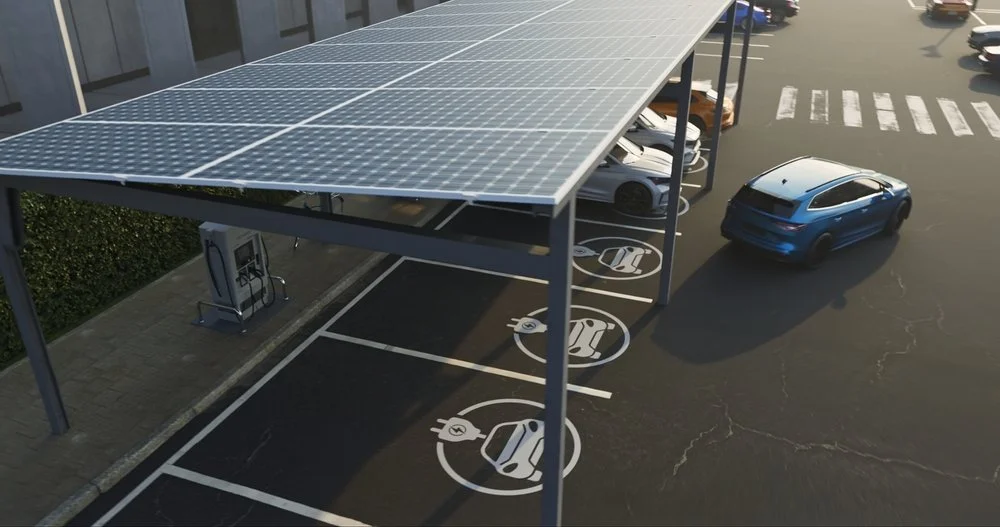
Prefabricated units like the SolarSense EV Charging Carport and 3ti Papilio provide complete charging infrastructure with integrated solar generation
Typical commercial systems combine 7-22kW charging capabilities with 20-50kWh battery storage
Advanced systems include weather protection, security features, and remote monitoring
Most units require 30-50m² of space for optimal solar exposure and vehicle access
Installation would typically take 2-5 days with minimal groundwork for rapid deployment
For businesses offering electric car salary sacrifice schemes to employees, commercial off-grid charging demonstrates commitment to sustainability whilst providing practical workplace charging facilities.
Remote Location Deployment Strategies
Off-grid commercial chargers address the "chicken and egg" problem of remote area EV adoption:
Strategic placement along scenic routes and tourist destinations creates "charging corridors"
Resilient designs with reinforced panels and components suitable for challenging UK environments
Cellular or satellite connectivity would be needed to make sure payment processing and remote diagnostics are possible
Oversized battery storage compensates for extended periods of low generation—in northern regions in particular!
Hybrid generation (solar + wind) increases reliability in the Scottish Highlands and similar locations
What Is the Return on Investment?
Arguably, the most important question is: what is the return on investment with commercial off-grid EV charging stations? Here's what needs to be considered:
Destination charging model where businesses offer free or subsidised charging to attract customers (popular with hotels, restaurants, and retail)
Premium service model with higher per-kWh rates justified by unique location access
Advertising-supported model incorporates digital displays for additional revenue
Subscription services offering preferential rates for regular users
Local authority partnerships sharing costs for tourism development
The return on investment here would typically range from 3-7 years depending on usage rates, with faster returns in popular tourist areas.
Understanding best EV charging apps helps operators integrate their stations into existing charging networks, increasing visibility and usage.
What Should You Consider Before Installing Off-Grid EV Charging?
Most of these points have been covered earlier in this article, but here are the main things to consider and to be aware of when charging your electric car off-grid:
Charging Speed Limitations
Off-grid EV charging typically delivers slower rates than grid-connected options:
Most solar and wind systems provide 3.5-7kW charging (compared to 7-22kW for home wall boxes)
This translates to approximately 10-20 miles of range per hour of charging
Battery storage capacity often becomes the limiting factor, not the generation potential
Expect to plan for extended charging sessions rather than quick top-ups
Consider your daily range requirements and adjust expectations accordingly
Understanding these limitations helps set realistic expectations, particularly important for those using electric car salary sacrifice schemes who depend on their vehicle for daily commuting.
Weather Dependency Factors
Nature directly impacts charging reliability:
Solar generation can drop significantly during heavy cloud cover or winter months
Wind turbines require minimum wind speeds to begin generation
Seasonal variations significantly affect system performance across the UK
Multiple generation sources provide the best year-round reliability
Battery storage sized for 2-3 days of autonomy offers reasonable weather resilience
Learn more about how EVs perform in winter to understand seasonal challenges beyond just charging.
Maintenance Requirements
Off-grid systems require more attention than grid-connected alternatives:
Solar panels need cleaning 2-4 times annually, especially in high pollen or dusty areas
Wind turbines require annual inspection and periodic bearing maintenance
Battery systems need regular monitoring and eventual replacement (5-15 years depending on the type)
Inverters typically need replacement after 10-15 years
Control systems require occasional software updates for optimal performance
Cost vs. Convenience Analysis
Understanding the true economics helps set realistic expectations:
Per-mile charging costs for off-grid systems range from economical (once the equipment is paid for) to expensive (including equipment costs)
Convenience value varies dramatically by location—essential in remote areas, optional in grid-served locations
Environmental benefits include guaranteed renewable charging and reduced grid strain
Resilience value becomes significant during power outages or energy price spikes
The social value of independence and self-sufficiency motivates many users regardless of economics
For comprehensive cost analysis, explore our guide on EV charging cost-saving tips to maximise your savings.
Future-Proofing Your Setup
Planning for technology evolution ensures long-term viability:
Design with expansion capacity for larger battery storage as EV batteries increase in size
Consider charging standards compatibility and upgrade paths as technology evolves
Include smart control systems that can be updated as energy management improves
Plan for bi-directional charging capability to utilise vehicle batteries as home storage
Use modular components where possible to allow partial upgrades rather than complete system replacement
Off-grid charging represents both a practical solution for specific circumstances and a lifestyle choice for many. Whilst it requires more planning and attention than standard grid charging, it delivers unique benefits in sustainability, resilience, and independence that many EV owners find compelling as the UK transitions to an electric transportation future.
Real-World Off-Grid Charging Example: Rural Yorkshire Family
Setup: 8-panel solar system (3.5kW) + 12kWh battery storage
Vehicle: Nissan Leaf 40kWh (180-mile range)
Daily Commute: 28 miles round trip
Monthly Cost: £450 via salary sacrifice (was £650 before tax savings)
Results:
Charges completely off-grid 280+ days/year
Uses grid backup only during extended cloudy periods
Saves £850 annually vs public charging
Combined with salary sacrifice: Total monthly transport cost under £450 with essentially free home charging
"Combining our salary sacrifice EV with solar panels means our transportation is essentially free. We haven't used a public charger in 8 months." — Sarah M., Yorkshire
This real-world example demonstrates how electric car salary sacrifice schemes combined with off-grid charging create exceptional value for UK drivers.
Frequently Asked Questions About Off-Grid EV Charging
How much does off-grid EV charging cost in the UK?
A complete home solar EV charging system costs £8,500-£10,000 including installation, panels, battery storage, and charger. However, through electric car salary sacrifice schemes, you can save 20-50% on both your EV and charging setup, with the current 3% Benefit-in-Kind rate making this more affordable than ever. When you factor in the £700+ annual savings compared to public charging, most systems achieve payback within 7-10 years.
Can I charge my electric car completely off-grid?
Yes, but complete off-grid charging requires adequate battery storage (minimum 10kWh for most EVs) and sufficient renewable generation capacity. A typical 7kW solar system with 15kWh battery storage can provide reliable off-grid charging for most UK family EVs, though weather-dependent generation means backup options are recommended. For small electric cars like the Mini Electric, smaller systems may suffice.
How long does it take to charge an EV with solar panels?
Charging times vary significantly based on system size and conditions. A 7kW home solar system in optimal UK conditions generates 5-6kWh daily in summer, adding approximately 15-25 miles of range per day. Portable 1000W solar arrays require 2-3 days of good sunlight for meaningful range extension. Complete overnight charging is achievable with properly sized systems and adequate battery storage. Learn more about general EV charging times for comparison.
Is off-grid EV charging worth it in the UK?
Off-grid charging offers excellent value for specific situations: properties with good solar exposure can save £700+ annually compared to public charging, rural locations without reliable grid access benefit from independence, and businesses can attract customers with sustainable charging options. When combined with The Electric Car Scheme's salary sacrifice programme, the overall savings become even more compelling. The current 3% BiK rate means employees save 20-50% on their EV whilst eliminating ongoing charging costs.
What size solar system do I need to charge an electric car?
Most UK homes need 8-12 solar panels (3-4kW capacity) for meaningful EV charging. Compact EVs like the Nissan Leaf work well with smaller systems, whilst larger models require 5-6kW systems for practical charging. Battery storage of 10-20kWh is essential for reliable off-grid operation. Consider your vehicle's battery size and daily mileage when sizing your system—drivers covering 30-40 miles daily need more robust setups than those with shorter commutes.
Can I use off-grid charging with salary sacrifice EVs?
Absolutely! Electric car salary sacrifice schemes pair excellently with off-grid charging solutions. Employees save 20-50% on their EV through salary sacrifice, and many providers, including The Electric Car Scheme, allow you to bundle home charger installation into your package, further reducing costs. The combination of salary sacrifice tax savings (benefiting from the 3% BiK rate) and eliminated charging costs through renewable generation creates exceptional long-term value.
What happens to off-grid EV charging in winter?
Winter presents challenges for solar-based systems, with generation dropping 60-75% compared to summer months. Wind turbines often perform better in winter, making hybrid solar-wind solutions ideal for year-round UK operation. Adequate battery storage (15-20kWh minimum) helps buffer against extended low-generation periods. Understanding how EVs perform in winter helps you plan for seasonal charging challenges whilst maintaining reliable vehicle operation.
Do I need planning permission for off-grid EV charging?
Home solar panels typically don't require planning permission under permitted development rights, though listed buildings and conservation areas have restrictions. Wind turbines over 3m height usually need planning approval. Always check with your local authority and Distribution Network Operator (DNO) before installation. Most home EV charger installations don't require planning permission, but combining with solar or wind systems may trigger different requirements.
How reliable is off-grid EV charging compared to grid charging?
Off-grid systems with proper sizing and battery backup can be highly reliable, particularly hybrid solar-wind installations that balance seasonal variations. Most well-designed systems provide 85-95% charging independence, with grid backup covering extended poor weather periods. Reliability depends on local climate, system sizing, and maintenance. For critical applications, hybrid systems or grid-connected backup ensures your vehicle is always ready, particularly important for those using electric car salary sacrifice schemes for daily commuting.
Can portable solar panels charge an electric car effectively?
Portable solar panels work best for occasional top-ups rather than primary charging. A 1000W portable system can add 15-25 miles of range per day in optimal conditions, making it suitable for camping, remote work sites, or emergency backup. However, complete charging requires multiple days of good weather. For reliable daily charging, fixed installations with battery storage are recommended. Portable systems excel for adventurous drivers exploring remote areas or as backup for used EVs with smaller batteries.
Making Off-Grid EV Charging Affordable Through Salary Sacrifice
Off-grid EV charging represents both a practical solution for energy independence and a sustainable choice for environmentally conscious drivers. Whilst initial costs may seem significant, the combination of zero ongoing fuel costs and substantial savings through electric car salary sacrifice makes this more achievable than ever.
At The Electric Car Scheme, employees save 20-50% on any electric vehicle compared to traditional leasing, benefiting from the current 3% Benefit-in-Kind rate. Many providers, including ours, allow you to bundle home charger installation into your salary sacrifice package, further reducing upfront costs and simplifying the transition to sustainable, off-grid EV charging.
Whether you're looking to reduce your environmental impact, gain energy independence, or simply reduce your transportation costs, combining off-grid charging with salary sacrifice offers the most comprehensive solution for UK drivers transitioning to electric vehicles.
Take the Next Step Towards Energy Independence
For Employees: Get an instant quote to see how much you could save with salary sacrifice
For Employers: Book a demo to learn how offering EV schemes benefits your business
Have Questions? Visit our Help Centre or read our comprehensive guides
If you're interested in EV salary sacrifice or are looking to get closer to net-zero targets at your company, check out our website! Employees who utilise their company's electric car salary sacrifice scheme can save 20-50% on the cost of a car whilst contributing to green initiatives and environmental sustainability goals.
Are you an employer?
BOOK A DEMOAre you an employee?
SEE AVAILABLE CARSECS GUIDES AND ADVICE
Ready to Go Electric? Your Guides and Tools to a Smooth Switch
-
 How the Scheme Works
Find out how salary sacrifice can work for you or your business.
-
 The Charge Scheme
Save 20-50% on all charging costs through salary sacrifice - at home, the office, or in public..
-
 Complete Employer Protection
All employers and drivers are protected from day 1.
-
 Used Electric Cars
Discover the most affordable way to drive electric. Cars delivered in 14 days.
You Might Also Like…



Last updated: 16/01/2026
Our pricing is based on data collected from The Electric Car Scheme quote tool. All final pricing is inclusive of VAT. All prices above are based on the following lease terms; 10,000 miles pa, 36 months, and are inclusive of Maintenance and Breakdown Cover. The Electric Car Scheme’s terms and conditions apply. All deals are subject to credit approval and availability. All deals are subject to excess mileage and damage charges. Prices are calculated based on the following tax saving assumptions; England & Wales, 40% tax rate. The above prices were calculated using a flat payment profile. The Electric Car Scheme Limited provides services for the administration of your salary sacrifice employee benefits. The Electric Car Scheme Holdings Limited is a member of the BVRLA (10608), is authorised and regulated by the FCA under FRN 968270, is an Appointed Representative of Marshall Management Services Ltd under FRN 667174, and is a credit broker and not a lender or insurance provider.
Copyright and Image Usage: All images used on this website are either licensed for commercial use or used with express permission from the copyright holders, in compliance with UK and EU copyright law. We are committed to respecting intellectual property rights and maintaining full compliance with applicable regulations. If you have any questions or concerns regarding image usage or copyright matters, please contact us at marketing@electriccarscheme.com and we will address them promptly.
